How to Create an Online Store in Egypt in 2026: A Step-by-Step Guide
From idea to first order: practical steps to choose your products and platform, set up your store's pages, switch on payments and shipping, and market your store in Egypt.
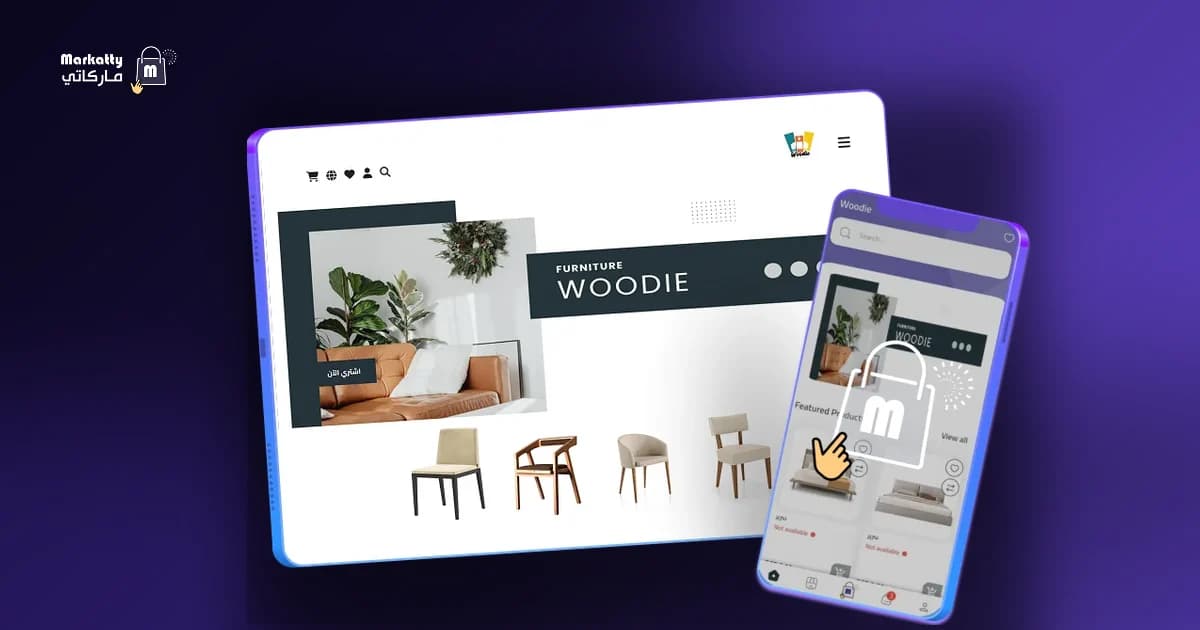
You no longer need a developer or a big budget to create an online store in Egypt. You need to know what you will sell and to whom, and a platform that takes care of the technical side for you: hosting, design, payments and shipping. This guide walks you from the idea to your first order, step by step, and ends with the mistakes that stall most new stores in their first month.
Why start your online store now?
Shoppers in Egypt now search for products on Google and watch them on Instagram and TikTok before they buy. A seller who relies on Facebook messages alone loses many of them, because a chat shows no clear prices, takes no payment and does not track the order. An online store fixes that:
- It sells around the clock: customers browse and order whenever they like, without waiting for a reply.
- It builds trust: a product page with photos, a price and a return policy convinces more than a message.
- It gives you data: you see which products sell best and which governorates order most.
- It shows up on Google: your product pages and articles bring free visits over time.
Step 1: Choose your products and your customer
Start with a small range you know well and can keep in stock. Ten products with real photos and accurate descriptions beat a hundred with pictures copied from the internet. Before you launch, ask yourself:
- Who is my customer? How old are they, where do they live, and how do they usually buy?
- What makes my product different: price, quality, delivery speed or after-sales service?
- Does my margin cover shipping, returns and advertising?
Not sure about your niche? Search Google for your product, look at who ranks first, and read the questions under "People also ask". Those same questions become the content of your product pages later.
Step 2: Pick the right e-commerce platform
Your platform is the biggest decision you will make, because moving away from it later is painful. Compare platforms on these points:
- Commission on sales: some platforms take a cut of every order, which eats more of your profit the more you sell.
- Local payment methods: does it support cash on delivery, Fawry, Vodafone Cash and InstaPay, not just cards?
- Shipping companies: is it connected to couriers that reach every governorate and collect cash on delivery?
- Arabic: does the store display Arabic correctly, right to left, with English alongside it?
- Support: will someone answer you, in your language, when something goes wrong?
With Markatty's plans there is no commission on your sales in any plan, you pick your store's look from ready-made themes that work on mobile and desktop, and you can try the platform free before you subscribe.
Step 3: Set up your store's key pages
Before you promote your store, make sure these pages are complete:
Product pages
Give every product a clear title with the words customers search for, and a description that answers their questions: size, material, use and care. Add at least three well-lit photos on a plain background, with alt text describing each one.
Shipping and returns policy
State delivery times and costs for each area, and your return and exchange terms. A customer who knows they can return a product buys with more confidence.
About page and contact details
Tell your store's story in a few lines and add a WhatsApp number and your social accounts. These small details reassure someone buying from you for the first time.
Step 4: Offer the payment methods your customers prefer
Most shoppers in Egypt still prefer to pay cash on delivery, but more of them pay online every year. Offer both:
- Cash on delivery: essential for winning the trust of new customers.
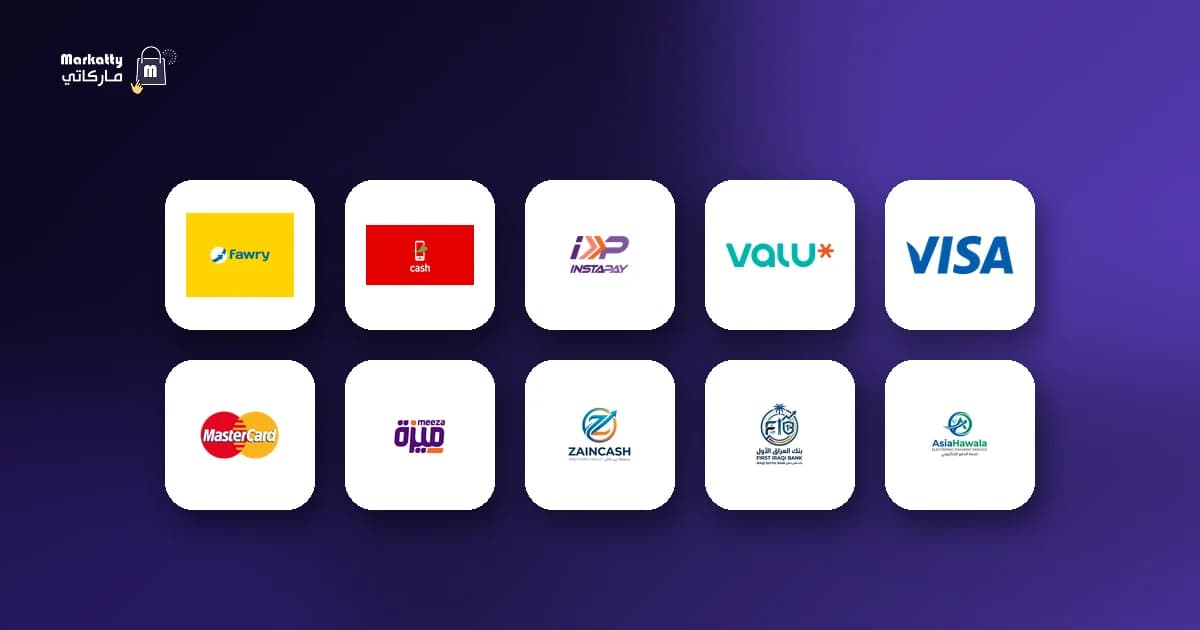
- Cards: Visa, Mastercard and Meeza.
- Wallets and transfers: Vodafone Cash and InstaPay.
- Fawry: for customers who prefer paying cash at a nearby outlet.
- Instalments: ValU for higher-priced products.
We explain each method and when it suits your store in our guide to payment gateways in Egypt, and you can see every supported gateway on Markatty's payments page.
Step 5: Connect your store to shipping companies
Delivery is the last thing a customer sees of you, and the first thing they remember. Choose a courier that covers the governorates you sell to, collects cash on delivery and transfers it to you. Markatty connects to companies such as Bosta, which covers all 27 governorates of Egypt, and RTX Express and Maillez for fast delivery in Cairo and Giza, with a tracking number for every shipment. More on the shipping page.
Step 6: Market your store and get your first order
- Start with people who know you: share your store link with friends and existing customers, and ask for a review after they buy.
- Social media: post short videos of your product in use, and put your store link on every profile.
- Paid ads: start small on one proven product, and scale once you know what an order costs you.
- Search engines: write original product descriptions and articles that answer your customers' questions; they bring free visits for years.
- Smart offers: free shipping above a set amount raises the average order more than a straight discount.
Mistakes to avoid when you create an online store in Egypt
| Mistake | Do this instead |
|---|---|
| Photos copied from other sites | Real photos of your product, even from a phone, in good light |
| Hiding the shipping cost until checkout | Show the shipping cost clearly on the product page |
| Accepting online payment only | Offer cash on delivery alongside it |
| Shipping orders without confirming them | Call or message on WhatsApp first to cut returns |
| Launching without a marketing plan | Pick one channel to start with and measure it |
FAQs about creating an online store in Egypt
How much does it cost to create an online store in Egypt?
It depends on the platform and plan you choose. With a ready-made platform like Markatty you pay a fixed subscription with no commission on sales, and you can start with a free trial before choosing a plan on the pricing page.
Do I need to know how to code?
No. You choose a theme, add your products and photos, and switch on payments and shipping from your dashboard without writing any code.
How long does it take to launch?
Your store can be ready in a day if your product photos and descriptions are ready. Most of the time goes into preparing content, not into the technical setup.
Can I sell in Iraq as well?
Yes. Markatty supports the Iraqi market with local payment gateways such as ZainCash, FIB and AsiaHawala, and delivery with cash on delivery.
The bottom line
A successful online store in Egypt starts with a few products you know well, a platform that supports local payments and shipping, clear pages that build trust, and steady marketing you measure. Get your products ready today and start your free trial with Markatty.
Keep reading
Payment Gateways in Egypt: A Merchant's Guide to Choosing the Right Ones
How Egyptian shoppers pay online, how the main methods compare, and how to choose the right mix for your store and cut refused cash-on-delivery orders.